



Learning
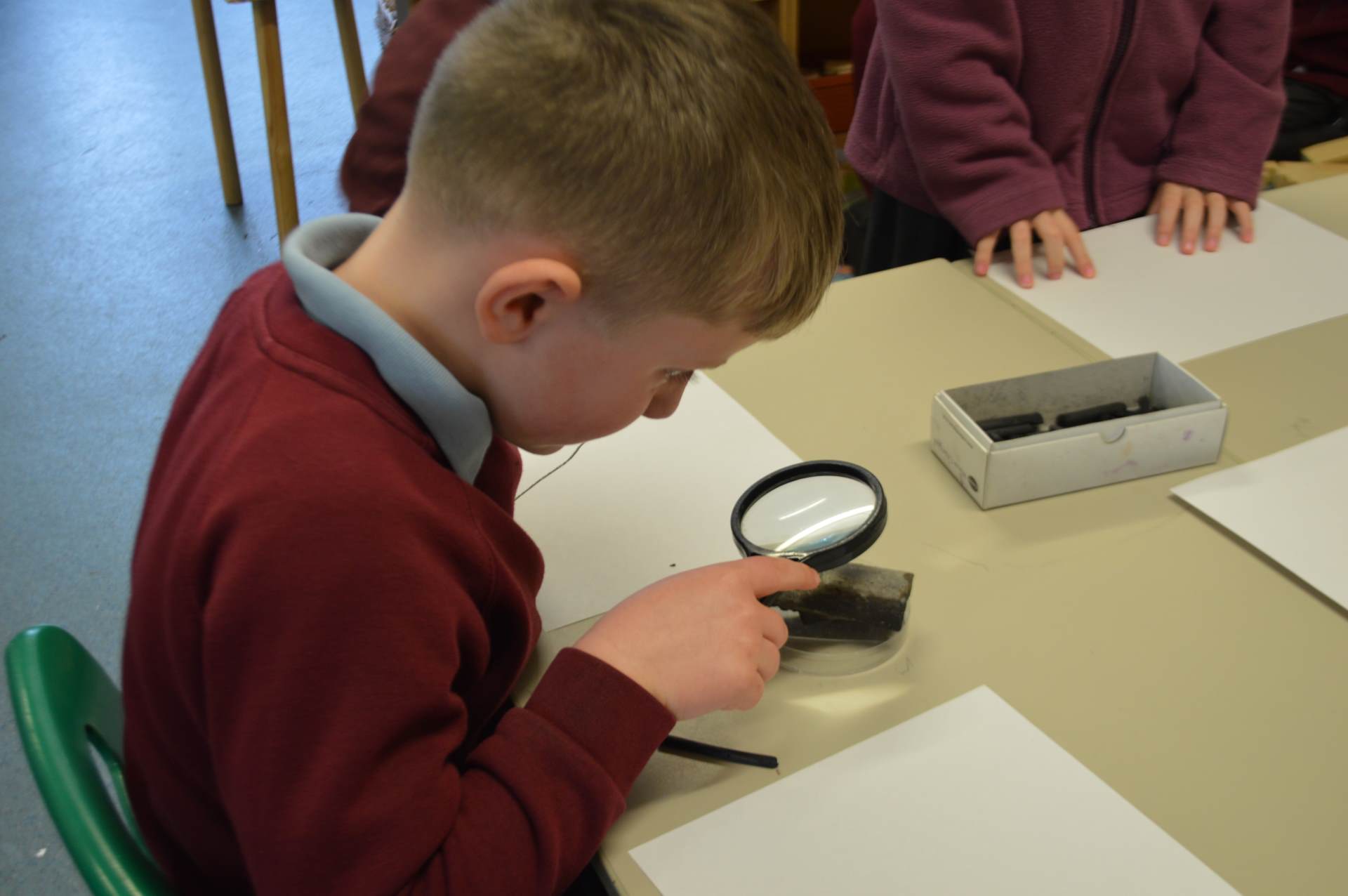
At Hythe Bay Church of England Primary School, our curriculum is derived from a precise understanding of the context of which we serve. Our vision is focused on the school in the community and the community in the school, promoting our Christian Values of love, tolerance, compassion and forgiveness. Our curriculum is focused on the development of children’s knowledge and skills across all primary subjects with the aim of ensuring pupils are ready for the next stage of their learning. Our families are key partners in developing their children’s knowledge and we are grateful to all our families who support their child’s learning. Thus, wherever possible we engage parents and other visitors in order to value our community.
Implementation
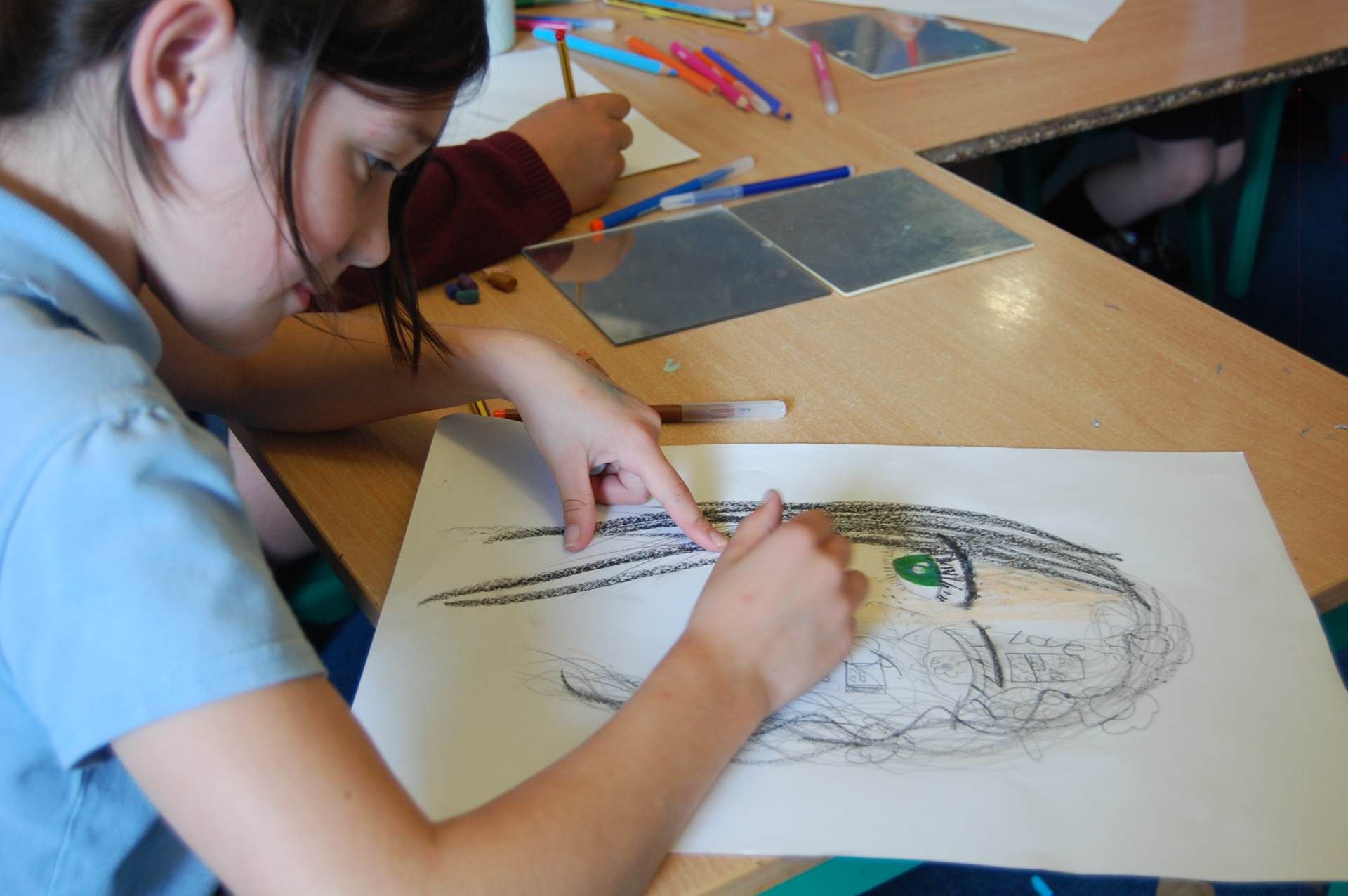
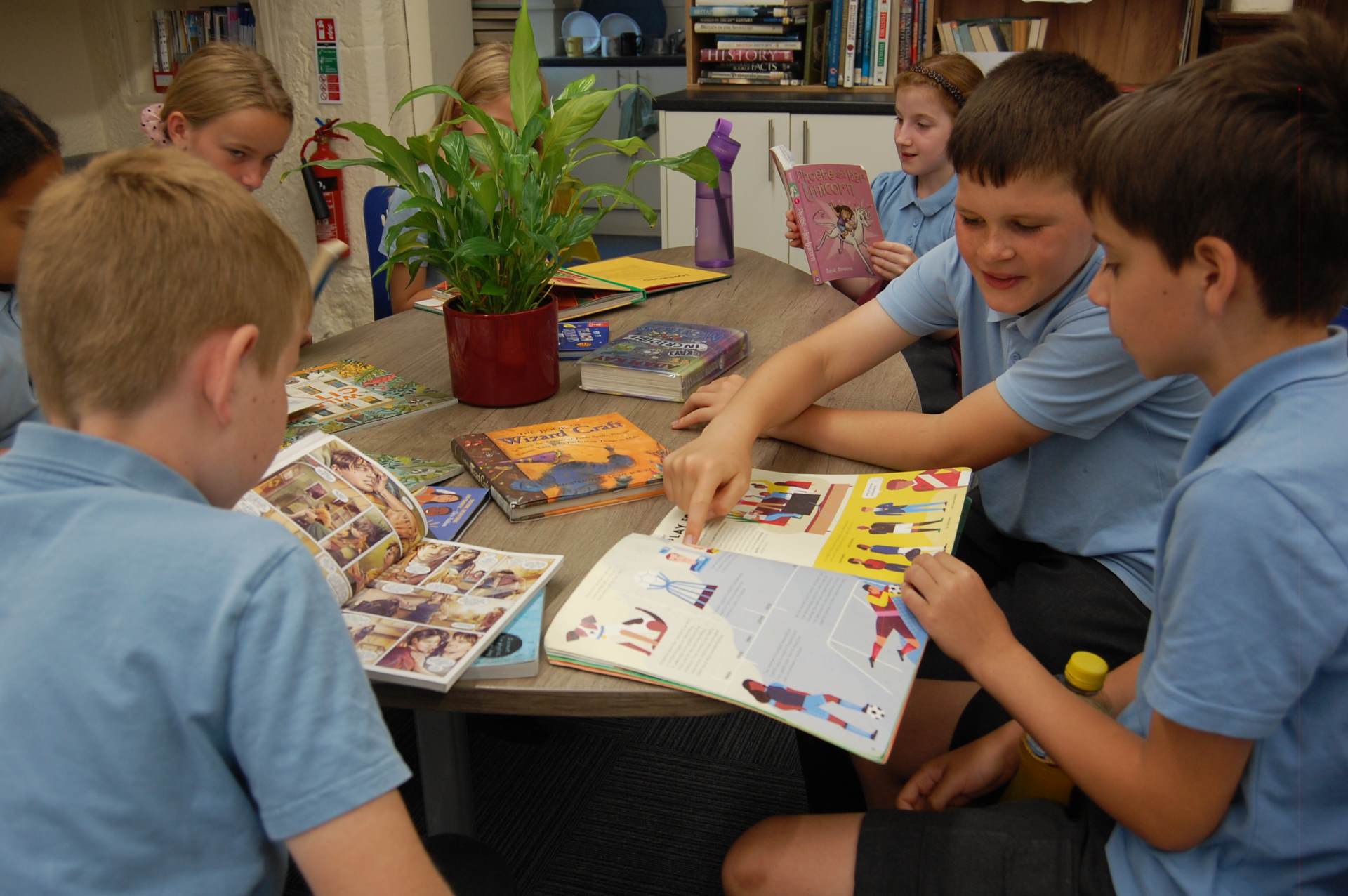
At Hythe Bay, we offer a rich and vibrant curriculum which is ambitious for all learners. Through our curriculum, we develop the essential knowledge, skills and understanding which are the building blocks for later life. Our curriculum encompasses not only the formal requirements of the National Curriculum, but goes beyond the experiences of the classroom to ensure that our children are exposed to the richest and most varied opportunities that we can provide. Everything we do is progressive and built on closing the learning gaps, particularly for the most vulnerable, including the lowest 20% in early development specifically in communication, language and literacy and knowledge and understanding of the world. As a result, we carefully consider topics to develop children’s Cultural Capital and social, moral, spiritual and cultural development. The most effective way of doing this is by means of high quality narrative and non-narrative texts because these give children the content knowledge and vocabulary to make connections and so enables their academic and creative endeavour, through a love of reading.
Hythe Bay’s Golden curriculum threads – the threads of learning that are unique to the children of Hythe Bay Church of England Primary School and underpin our curriculum implementation:
- understanding our Christian values;
- self-management and co-operative learning;
- experiencing the wider world to raise aspiration;
- developing communication skills and encouraging creativity.
We all aim to:
- Promote high quality teaching and learning across the school;
- Raise standards by ensuring consistency and continuity of teaching and learning;
- Ensure all children are included, motivated and engaged by their learning;
- Promote high quality learning experiences that focus on the development of skills, Knowledge and understanding;
- Promote the idea of lifelong learning for all members of the School community: children, parents/carers, staff and Governors.
With the intention described above, at Hythe Bay Church of England Primary School we are keen to promote the diversity of life and celebrate difference and promote respect for all. Through our teaching, learning and behaviour expectations, we give pupils the knowledge and understanding of how discrimination and prejudiced behaviour is dealt with, including the prevention of bullying. Pupils with special needs are well-supported in school with extra support and/or resources deployed where necessary to help close individual learning gaps.
Impact
Pupils, parents and staff are consistently and regularly consulted about the curriculum and the impact that it makes.
We are all on a learning journey together and because of this, our staff continually reflect on the impact of our teaching through planning, assessments, discussions, learning walks and data scrutiny. If we need to adapt our teaching, we will; the most important thing is that our pupils are learners who are happy, challenged, and each individual child is confident and prepared to enter the next stage of their education with the necessary skills, knowledge and mind set to reach their academic potential and to thrive, knowing and understanding their place in the world and their importance and value to society as global citizens.
EYFS Curriculum
Children in the Reception class follow the same principles of curriculum design as the children further up the school but their learning is rooted in the Early Years Foundation curriculum.
Intent
The curriculum is designed to:
- Recognise and value children’s prior learning from previous settings and home experiences.
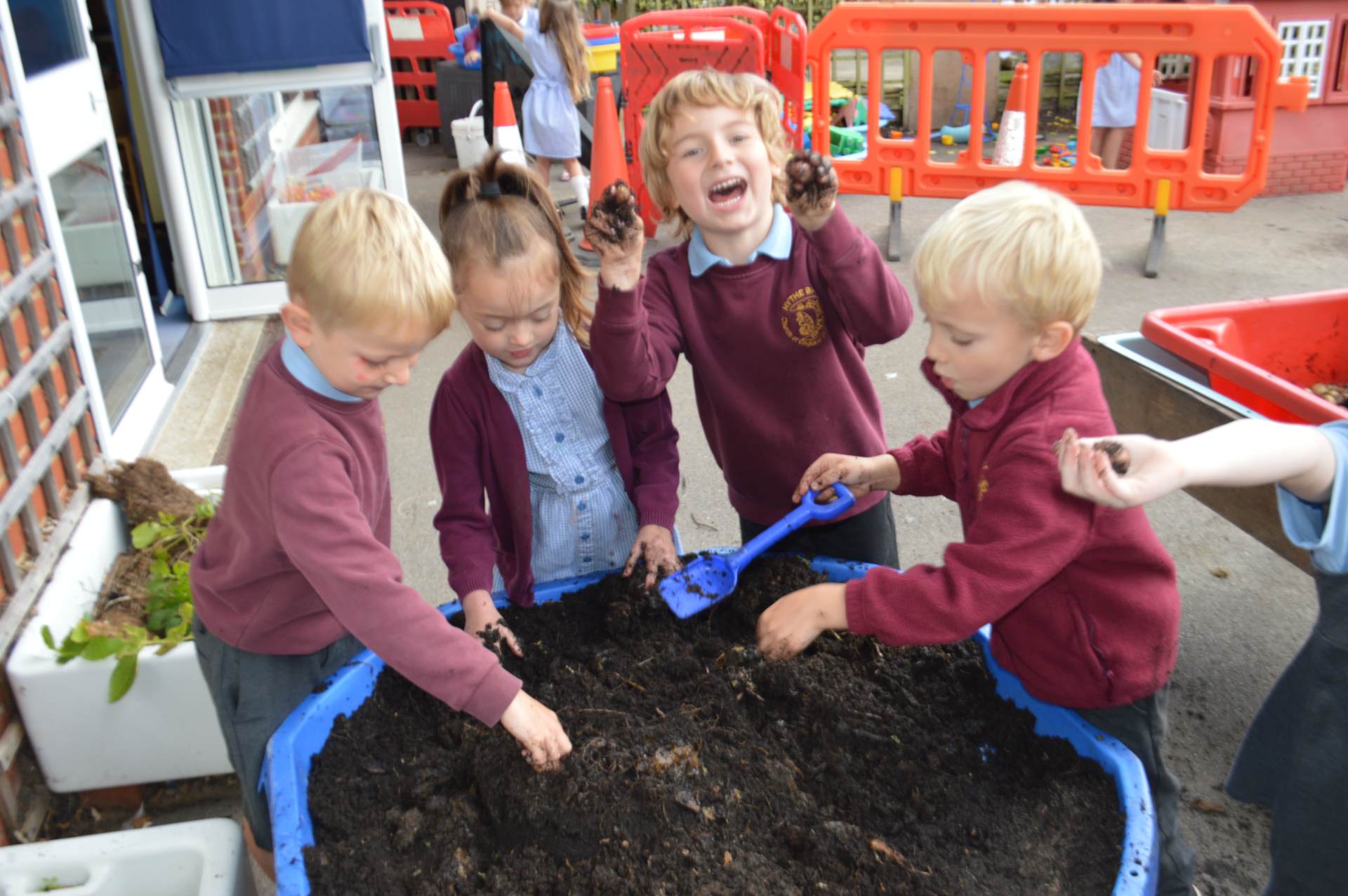
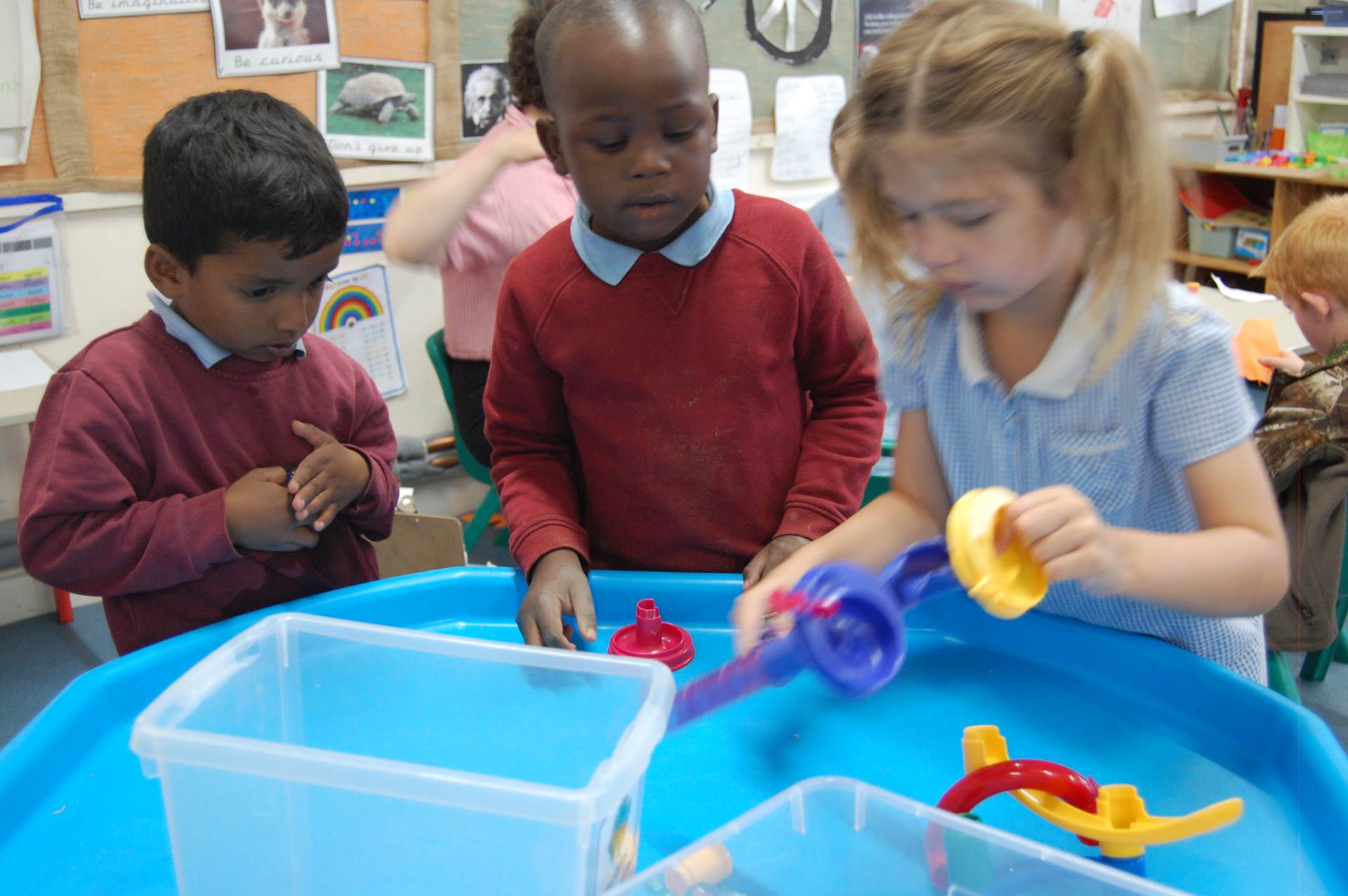
- Provide first hand engaging, stimulating and challenging, play-based learning experiences, allowing learners to build positive identities through managing and taking risks, having a go, developing resilience and promoting a ‘can do’ attitude.
- Learner’s choices and interests are the driving force for building knowledge, skills and understanding.
- Provide high quality provision, along with high quality interactions, so that we are laying the foundations for the children becoming independent, active, successful and ambitious lifelong learners.
- Every child is valued as an individual, safe and well cared for.
- Offer a balance of child-initiated and adult-led learning using a continuous provision based approach.
Implementation
- Across our EYFS, we follow the Early Years Statutory Framework for the Early Years Foundation Stage.
- The Framework specifies the requirement for learning and development in the Early Years and provides prime and specific areas of learning we must cover in our curriculum.
- Prime Areas covered - Personal, Social and Emotional Development, Physical Development, Communication and Language development.
- Specific Areas covered- Literacy, Mathematics, Understanding the World, Expressive Arts and Design.
- A vital aspect in the development of essential knowledge and skills is the use of continuous provision. This means that children are using and developing taught skills throughout the year on a daily/weekly basis.
- Continuous Provision practice and principles begin in the Early Years Foundation Stage and support children to develop key life skills such as independence; creativity, enquiry and problem solving.
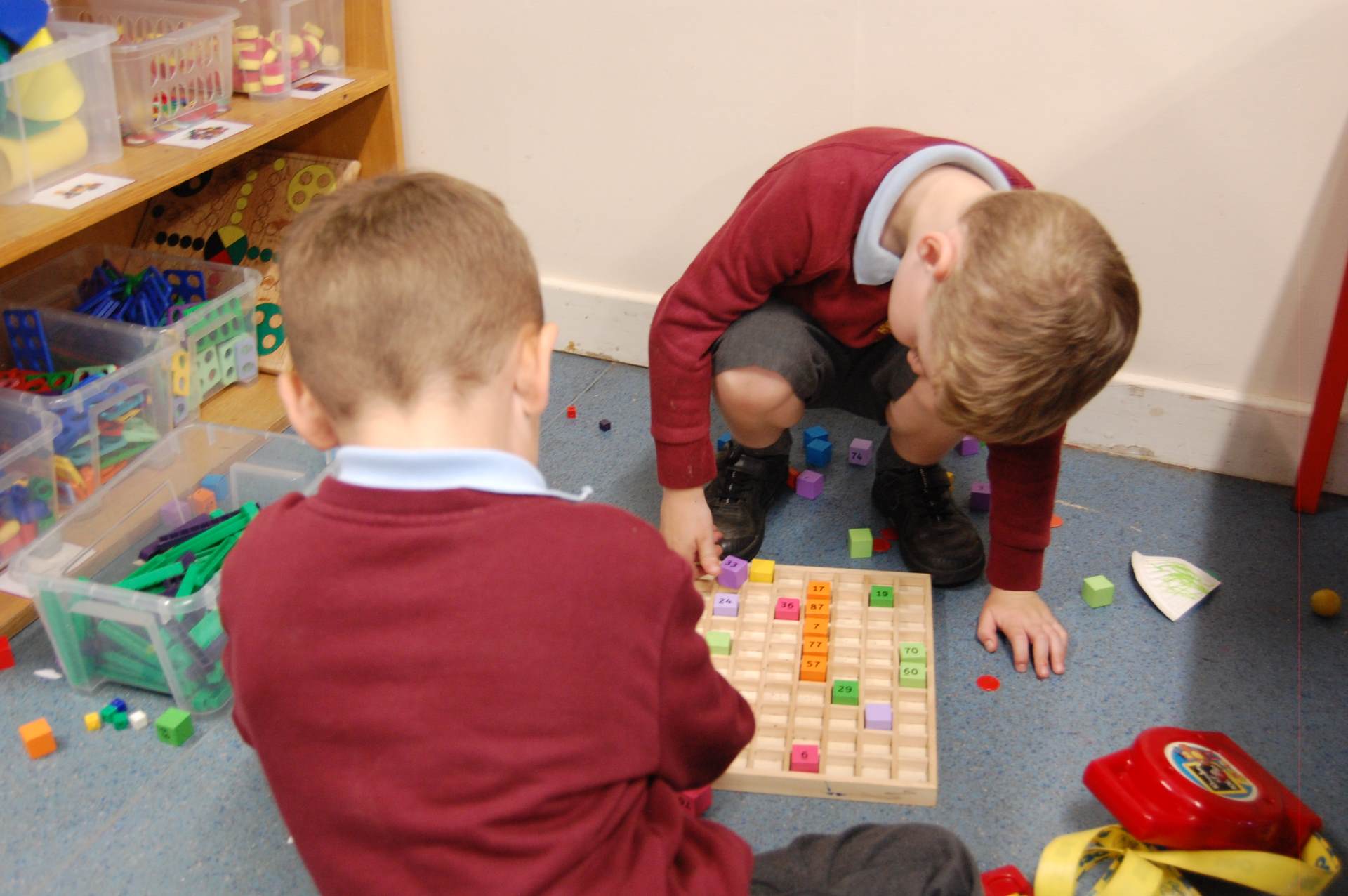
- Continuous provision areas are set up to reflect children’s interests, as well as ensuring that reading, writing and maths are high profile.
- Throughout a typical day, learners will have the opportunity to work independently, work collaboratively with their peers and work with practitioners.
- There are several direct daily teaching sessions taking place including phonics, maths and literacy.
Impact
- The impact of our curriculum is measured by our observations and assessments that we carry out on a daily basis.
- The impact on our curriculum is measured by how well practitioners know each individual child.
- The impact of our curriculum is measured by internal termly data, as well as measuring outcomes against the LA and nationally at the end of the EYFS phase.
- The impact of our curriculum will also, in fact, be measured by how effectively it helps our learners to develop into well rounded individuals who are independent, active, successful and ambitious lifelong learners.